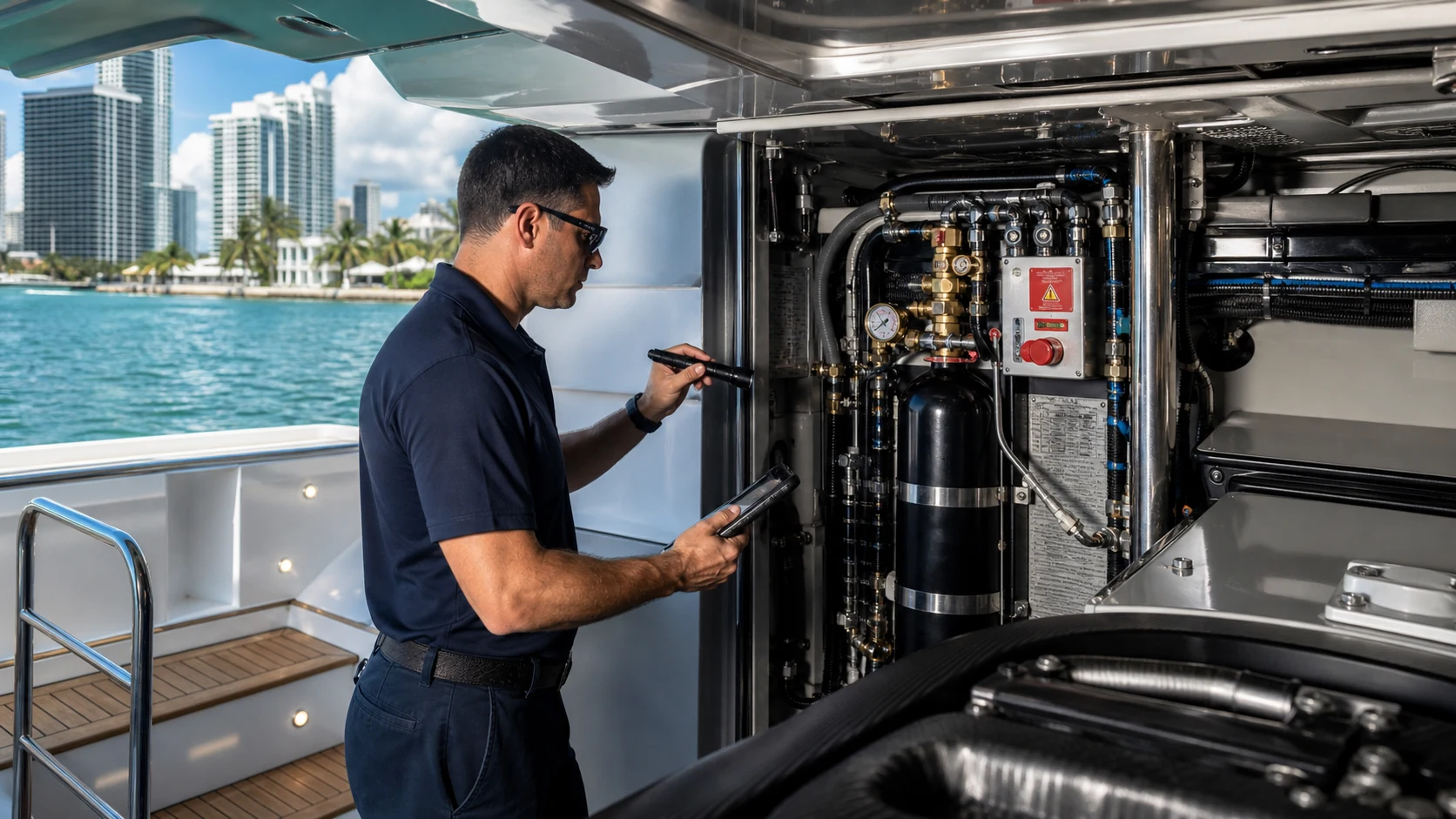
Marine Fire Inspection for Captains and Crews
Miami Marine Fire Protection works with captains and authorized crew coordinating vessel fire-equipment inspections in Miami-Dade County. Captains often provide useful details about protected spaces, system controls, vessel access and operational restrictions.
Prepare Vessel Access and Fire-Equipment Records Before Vessel Service
Miami-Dade captains should confirm owner or management authorization, marina procedures and machinery-space access before service. Identify installed systems and report whether connected engines, generators or ventilation equipment create operating restrictions.
Inspection requests may include engine-room systems, generator-room equipment and portable extinguishers. Separate engine-room and generator-room systems should be listed individually, and portable extinguishers should remain distinct in the requested scope.
Captains and crews often provide the most useful information about protected spaces, system controls, vessel access and operational restrictions. Share the actual access window if the vessel is scheduled to depart, without assuming service can be completed by a specific date.
Do not activate controls, pull releases or operate machinery solely for inspection preparation. Applicable procedures depend on the equipment and agreed scope. A vessel-specific service evaluation can begin with the system details and access information you have available.
For yacht-specific fire-equipment coordination, review yacht fire protection inspections and identify the protected spaces that need to be included in the request.
Coordinating access for several protected spaces? List each system and the available vessel access window before requesting service.
Coordinate AccessSeparate Systems Need Separate Scope Information
A vessel may have more than one protected space. Engine-room systems, generator-room equipment and portable extinguishers should not be combined into one general description when service is requested.
Engine-Room Systems
Identify the engine-room marine fire suppression system separately, along with access conditions and any operating restrictions connected to the machinery space.
Generator-Room Equipment
List generator-room equipment separately from engine-room systems. The protected space, controls and access details may be different.
Portable Extinguishers
Portable extinguishers should remain distinct in the requested scope rather than being grouped with marine fire protection system inspections.
One Record for Each Space
Keep records associated with the correct cylinder, protected space and vessel. This context helps captains, crews and management identify the equipment involved.
When several protected spaces are involved, list each one before booking. Review marine fire suppression system inspections for service information.
Coordinate On-site Service Around Actual Vessel Access
Marina procedures, owner or management authorization and machinery-space access should be confirmed before a vessel appointment. Captains can help define the available access window and any vessel restrictions.
Owner or Management Authorization
Confirm who is authorized to arrange vessel access and the requested inspection before service is coordinated.
Marina Procedures
Provide applicable marina procedures so vessel access can be coordinated with the location.
Machinery-Space Access
Confirm how engine rooms, generator rooms and other protected spaces can be accessed for the requested inspection.
Actual Access Window
If the vessel is scheduled to depart, provide the actual available window without assuming a specific completion date.
Service coordination begins with accurate access details, system information and the requested inspection scope.
Not sure what information to send? Start with the protected spaces, installed systems and available access window.
Request Service InformationOrganizing Inspection Documentation for Miami-Dade Vessel Records
Miami-Dade captains and crews should keep records associated with the correct cylinder, protected space and vessel. Clear records provide useful context when coordinating equipment scope and vessel access.
Reported Deficiencies
Note reported deficiencies separately from completed service. A requested appointment does not resolve a finding until the applicable work has occurred.
Accessible Equipment
Documentation should not be expanded to cover inaccessible or uninspected equipment. Keep the record connected to the equipment and protected space involved.
Correct Protected Space
Identify each cylinder and protected space with enough context to distinguish engine-room, generator-room and other vessel equipment.
Transfer of Responsibility
When responsibility changes between captains or management companies, transfer fire-equipment records with enough context to identify each protected space.
For records and scope planning, see marine fire inspection documentation. Documentation supports vessel management but does not replace a survey, authority inspection or insurer decision.
Share Vessel Operating Restrictions Before Service
Captains should report whether connected engines, generators or ventilation equipment create operating restrictions. These details help define access conditions before an inspection request is coordinated.
Do not operate machinery, activate controls or pull releases solely to prepare for an inspection. Procedures depend on the equipment and the agreed service scope.
An engine-room system and generator-room equipment may require different access planning. Keep those protected spaces separate when providing vessel information.
If the vessel has a departure schedule, provide the actual on-site access window. Miami Marine Fire Protection does not offer a guaranteed response time or completion date.
A marine fire protection system inspection request can include system details, access information and known operational restrictions.
Marine Fire Inspection Services for Captains and Crews
Captains and authorized crew can request vessel vessel-specific service evaluation and inspection coordination for marine fire suppression systems, portable extinguishers, documentation and reported deficiencies.
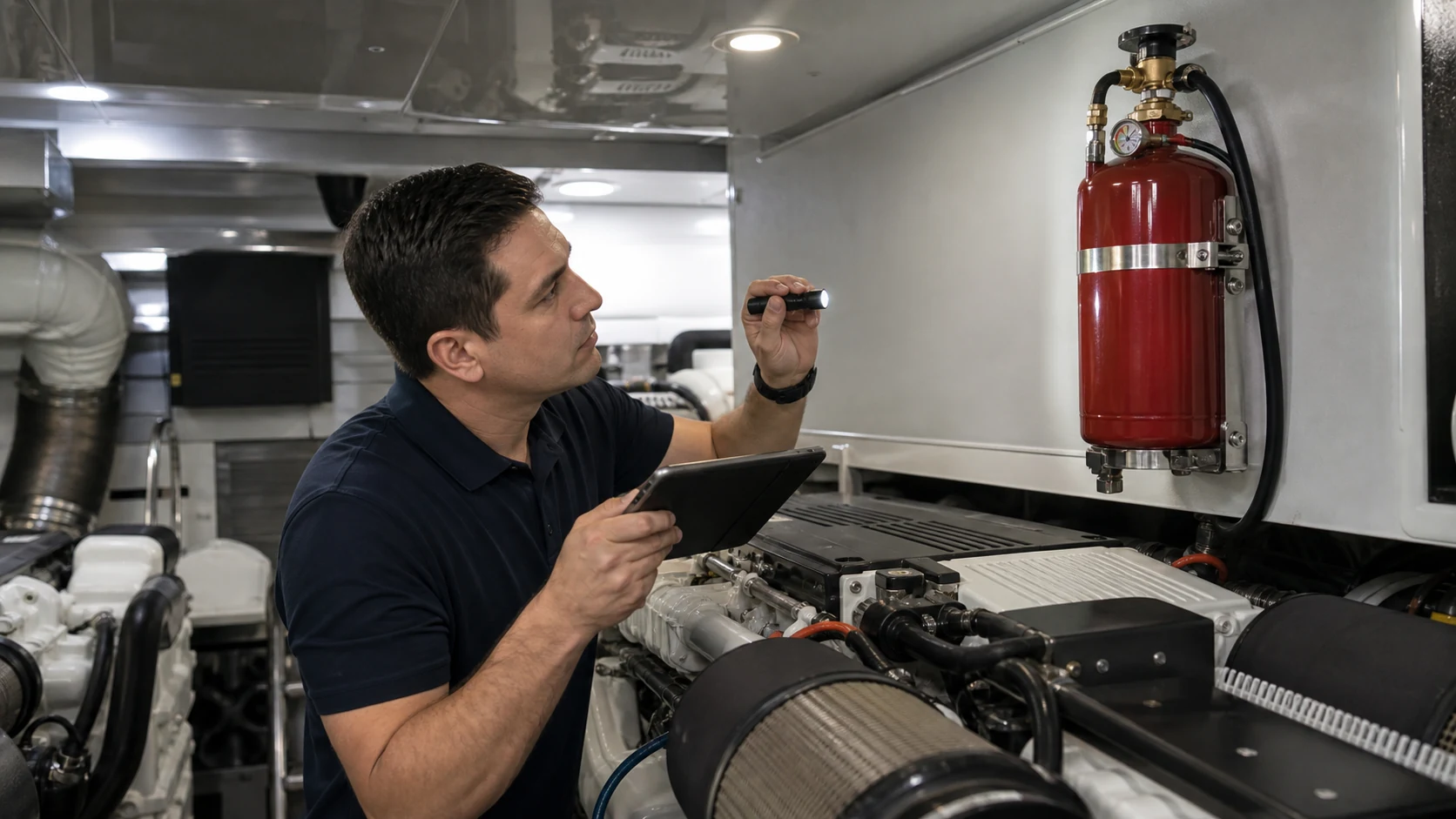
Marine Fire Protection System Inspections
Coordinate marine fire suppression system inspection information for identified protected spaces and vessel access conditions.
View service →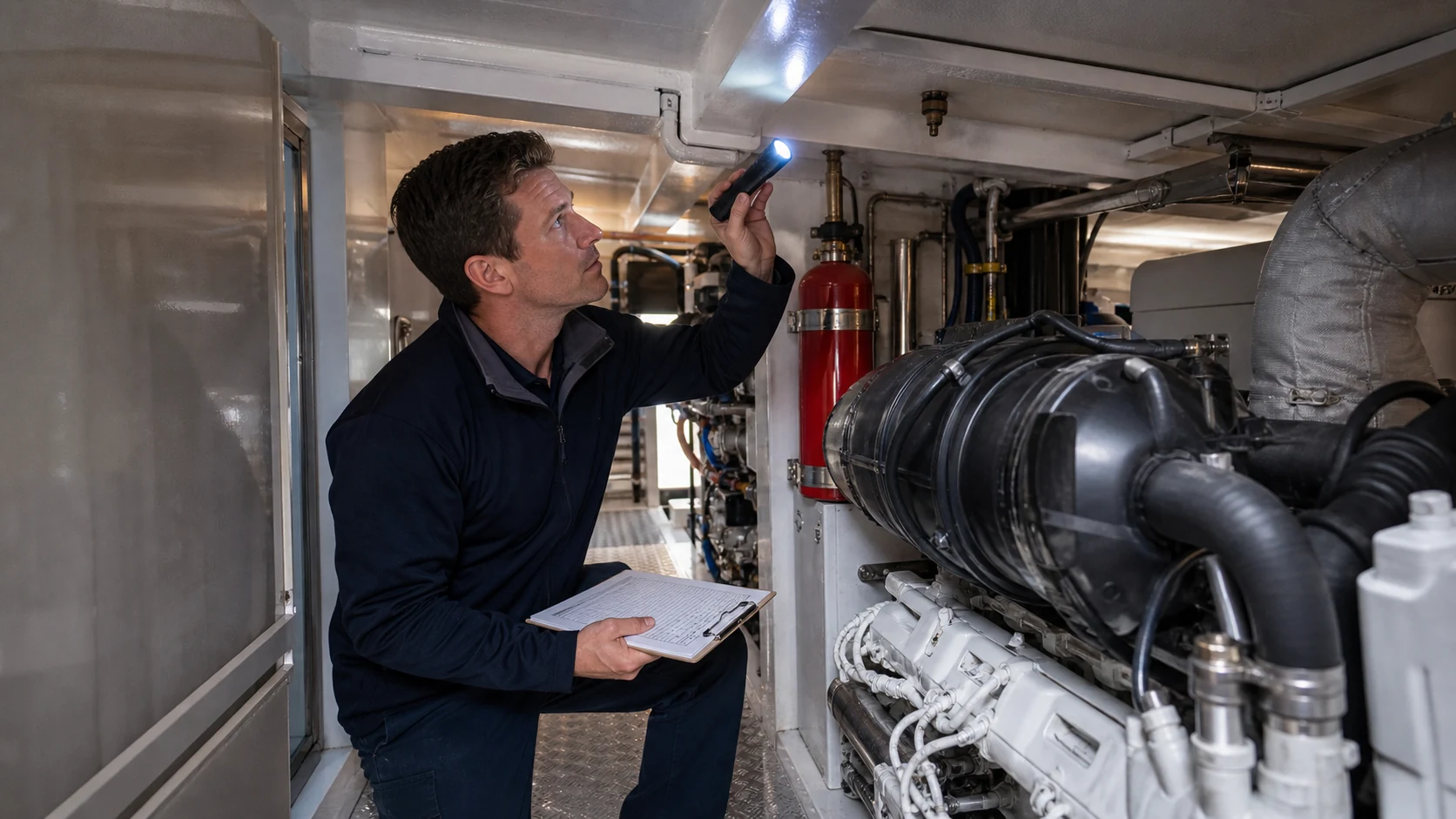
Engine-Room Inspections
Request inspection coordination for yacht engine-room fire suppression systems with machinery-space access details.
View service →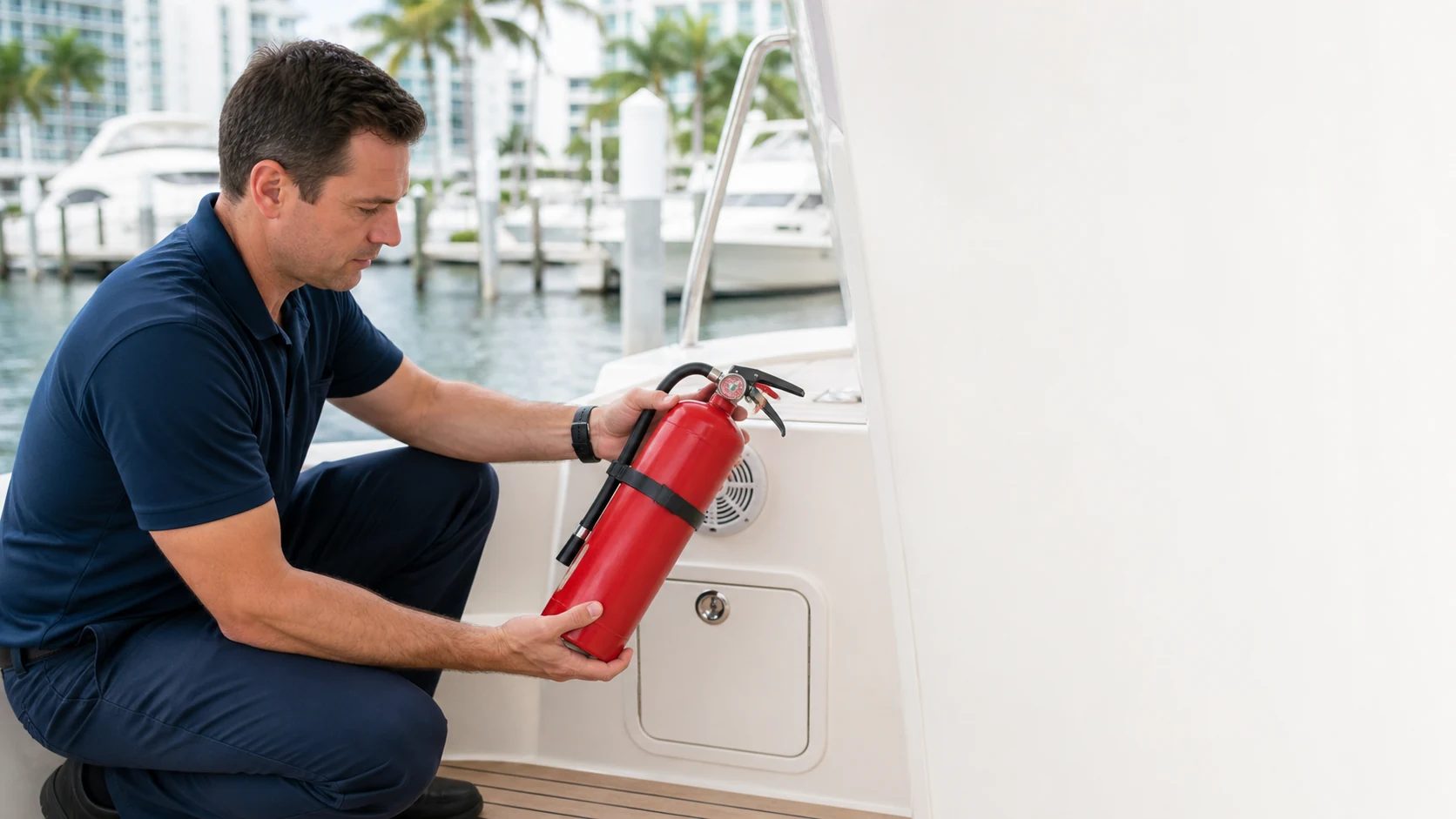
Generator-Room Inspections
List generator-room equipment separately when requesting inspection scope and on-site vessel access.
View service →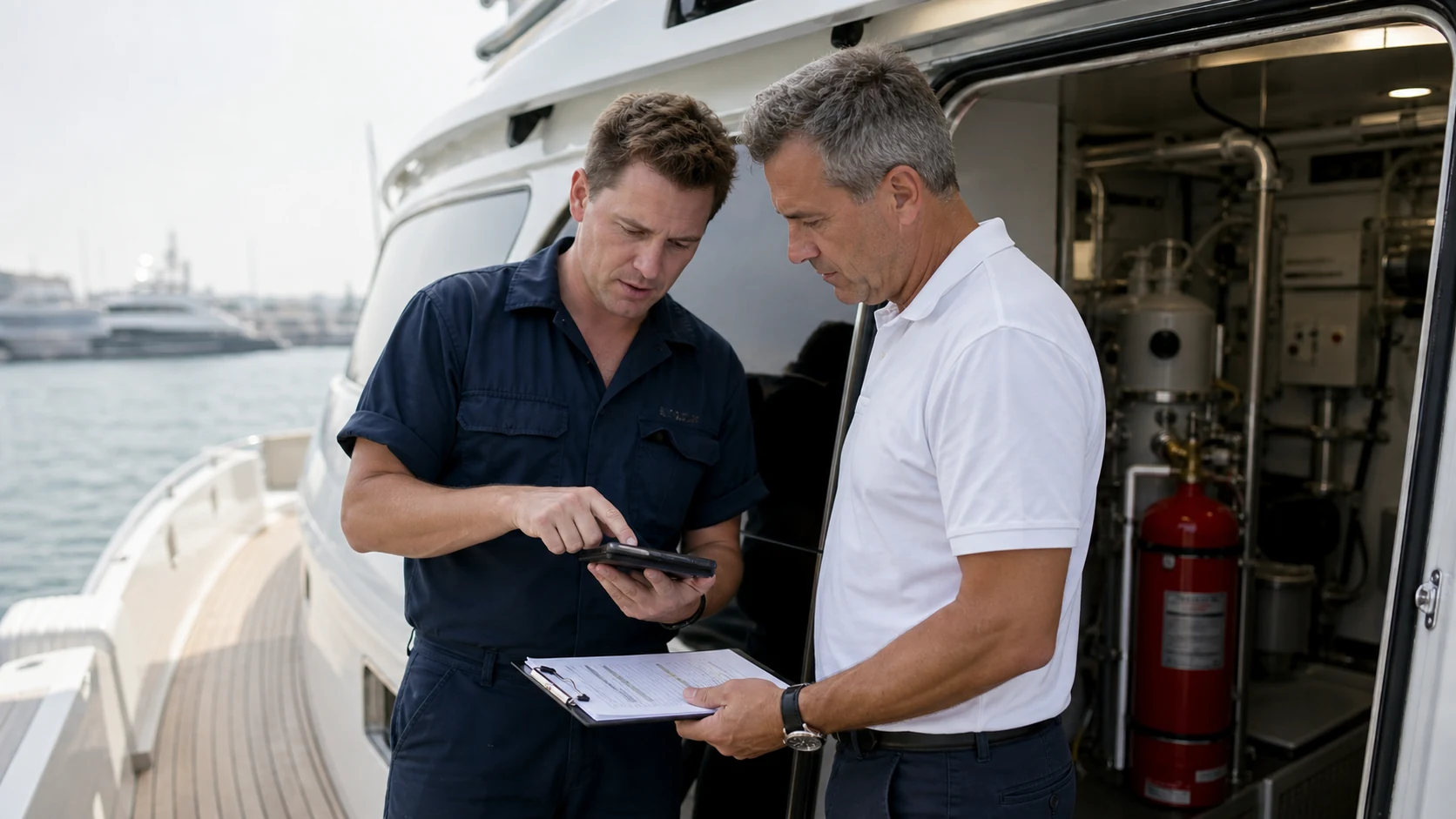
Fire Extinguisher Inspections
Keep portable extinguishers distinct from marine fire protection systems when describing the requested inspection scope.
View service →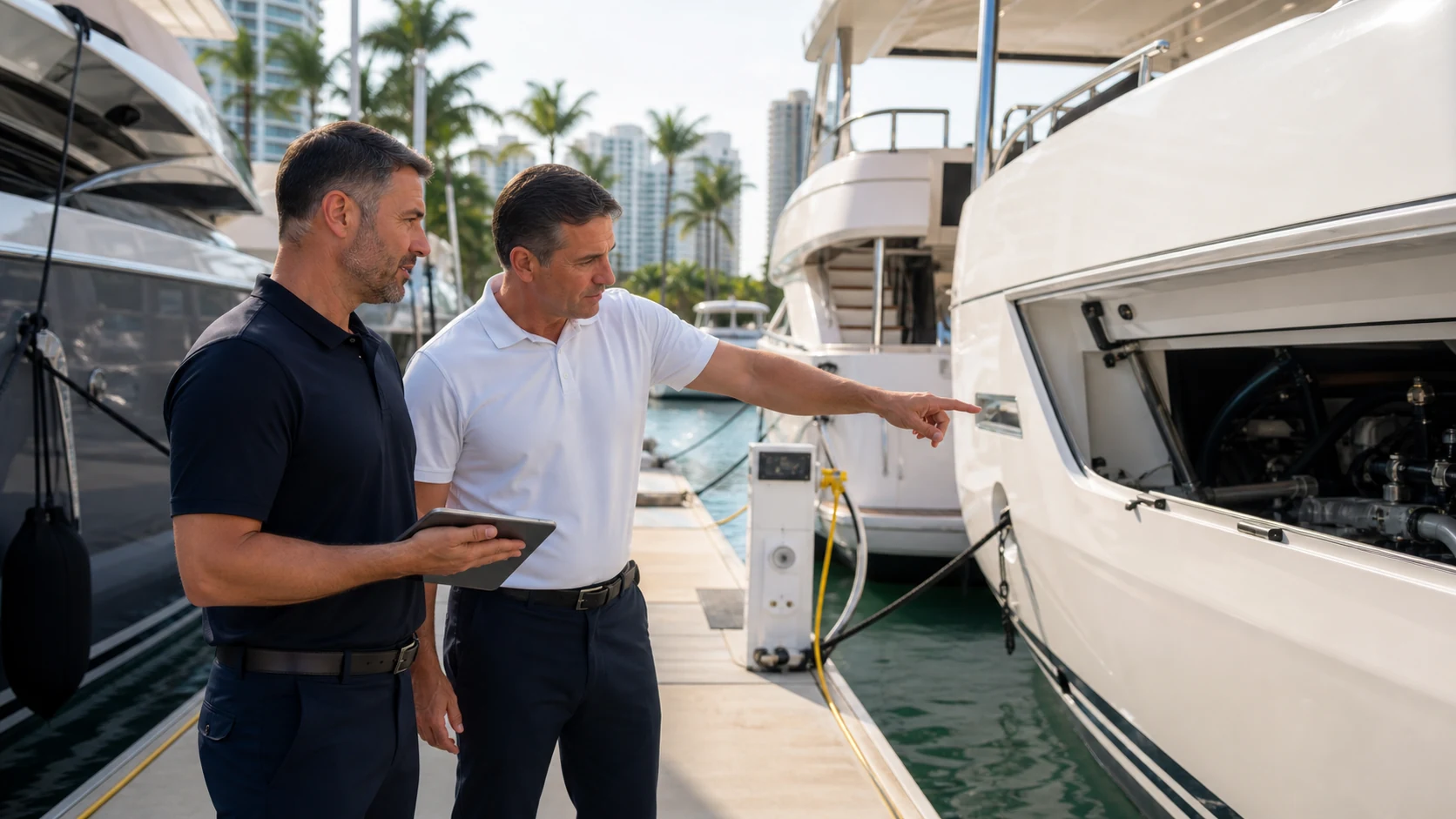
Deficiency Evaluation
Provide reported deficiency information separately from completed service when coordinating a vessel-specific scope evaluation.
View service →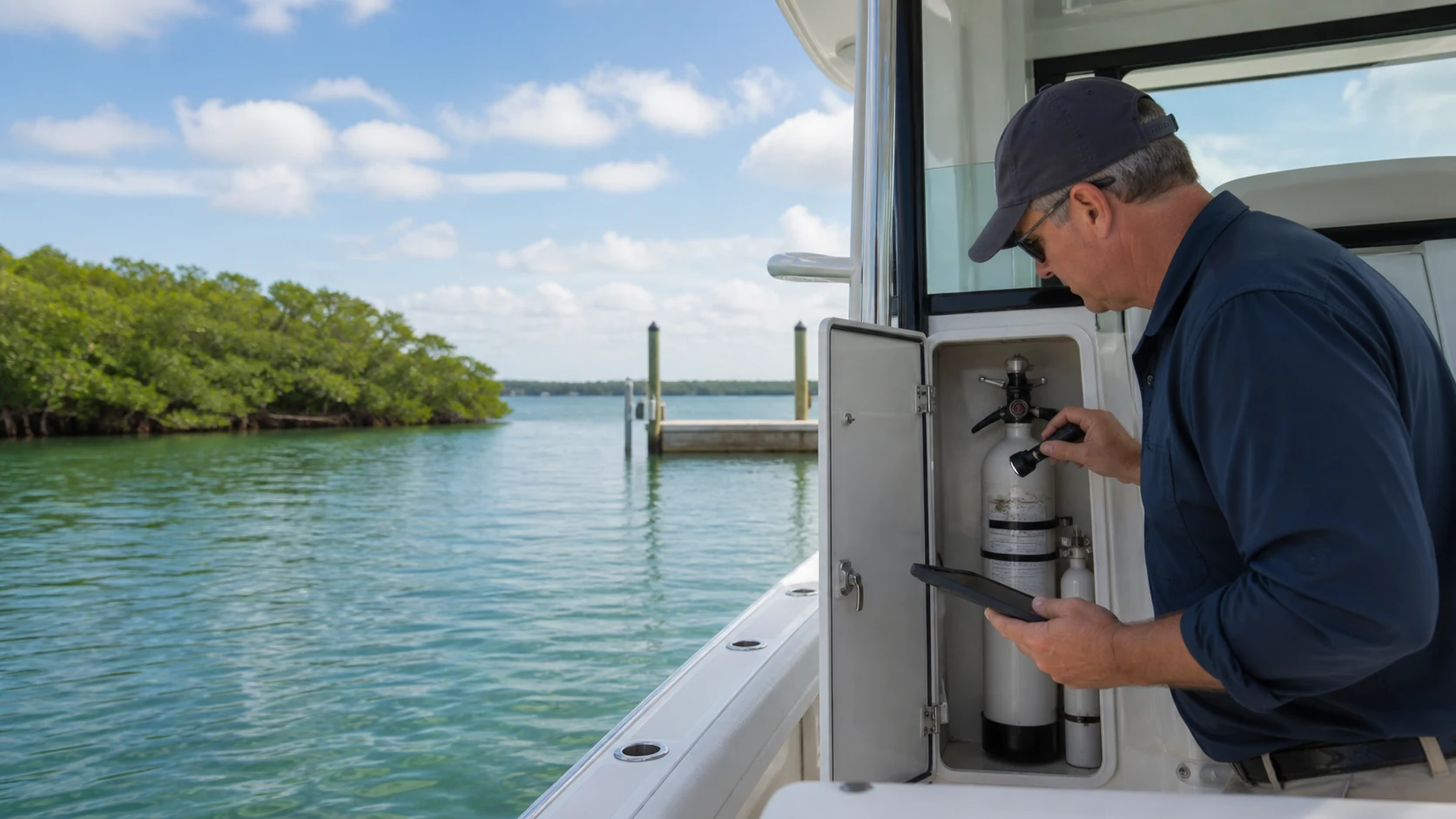
Pre-Survey Inspections
Documentation supports vessel management but does not replace a survey, authority inspection or insurer decision.
View service →Captain and Crew Service FAQs
Vessel fire-equipment documentation should remain associated with the correct cylinder, protected space and vessel. It supports vessel management but does not replace a survey, authority inspection or insurer decision.
Coordinate Vessel Access, Scope and Records
Send the protected spaces, installed system details, vessel access window and any operating restrictions. Miami Marine Fire Protection works with captains and authorized crew coordinating vessel fire-equipment inspections in Miami-Dade County.